10 Ways to Style a Custom Shirt for 10 Different Looks
A well-made dress shirt is one of the most versatile pieces in a wardrobe, yet most people only ever wear it one way: tucked in, buttoned up, under a blazer. That is a waste of a genuinely flexible garment, especially one built to your own measurements rather than pulled off a rack.
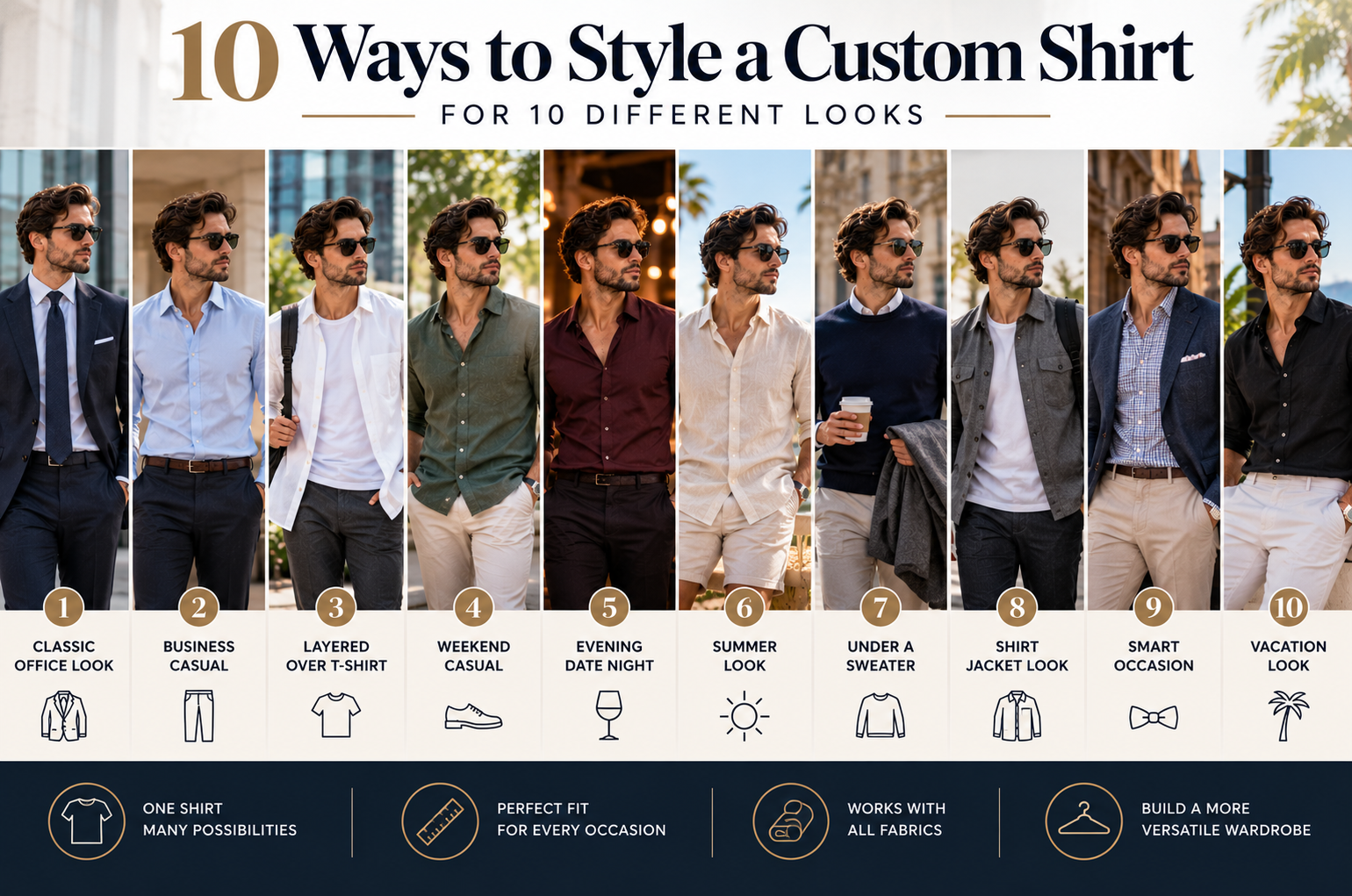
Knowing how to style dress shirt pieces across different settings turns a single well-fitted shirt into ten completely different outfits, from the boardroom to a weekend brunch to a warm evening out. This guide walks through ten distinct looks, what makes each one work, and the small adjustments that shift a shirt from formal to relaxed without needing a different garment for every occasion.
1. The Classic Office Look
The most familiar way to wear a dress shirt remains the most reliable for traditional corporate settings.
- Tuck the shirt in fully, with a clean, flat front rather than excess fabric bunching at the waist.
- Pair with a tailored suit in navy, charcoal, or grey.
- Add a conservative tie in a solid colour or simple pattern.
- Finish with polished leather dress shoes and a matching belt.
This combination works because every element reinforces the same message: structured, intentional, and professional. For a deeper breakdown of building a complete, well-fitted office wardrobe around this foundation, our men’s style guide covers the details worth getting right.
2. Business Casual Without a Tie
Dropping the tie and jacket instantly relaxes a dress shirt while keeping it appropriate for most modern offices.
- Keep the shirt tucked in, but leave the top button open for a slightly more relaxed neckline.
- Pair with tailored chinos or dress trousers rather than a full suit.
- Add a leather belt that matches your shoes, even without a jacket, since this detail quietly signals that the outfit is still intentional.
- Leather loafers or minimal leather sneakers both work well here, depending on how formal your specific workplace is.
This is the single most useful everyday look for anyone working in a business casual environment, and it is worth understanding exactly where that formality line sits. Our full business casual dress code guide breaks this down in detail.
3. Smart Casual, Layered Over a T-Shirt
A dress shirt worn open over a plain t-shirt is one of the most effective ways to dress a shirt down without losing any structure.
- Choose a well-fitted plain t-shirt in white, grey, or navy as the base layer.
- Leave the shirt unbuttoned and untucked, worn as an open layer rather than a buttoned garment.
- Roll the sleeves to the forearm for a more relaxed finish.
- Pair with dark denim or tailored chinos and clean sneakers.
This look works particularly well for a lightweight cotton or linen-blend shirt, since the open, layered silhouette shows off the fabric’s natural drape rather than hiding it under a jacket.
4. Weekend Casual, Untucked
Untucked does not have to mean sloppy. A properly fitted shirt, cut with the right length for an untucked finish, reads as deliberately casual rather than simply unfinished.
- Leave the shirt untucked, making sure the hem sits at a length meant for wearing this way rather than a shirt cut specifically for tucking in.
- Roll the sleeves rather than leaving cuffs buttoned, for a more relaxed overall feel.
- Pair with well-fitted jeans or chinos and casual leather shoes or clean sneakers.
- Leave the top one or two buttons open, depending on how relaxed the setting is.
This is the easiest everyday weekend look, and it is where a custom shirt genuinely outperforms an off-the-rack one, since the length and taper are built around how you actually plan to wear it rather than a generic standard cut.
5. Evening Date Night
A dress shirt can carry an evening look entirely on its own, without needing a jacket at all.
- Choose a shirt in a richer, more striking colour than your typical office rotation, such as deep burgundy, forest green, or a bold check pattern.
- Leave the collar open, with one or two buttons undone, and skip the undershirt for a cleaner line.
- Keep the shirt untucked or tucked loosely depending on the overall silhouette you are going for.
- Pair with dark, well-fitted trousers and minimal leather shoes rather than sneakers, which keeps the look elevated.
This is one of the few looks where a bolder fabric choice genuinely earns its place, since an evening setting gives you more room to move away from safe office colours.
6. Lightweight Summer Look
Hot weather calls for a completely different fabric strategy, and the right shirt handles it without sacrificing style.
- Choose a breathable linen or linen-cotton blend shirt rather than a heavier cotton weave.
- Leave it untucked and unbuttoned slightly at the collar, worn loose rather than fitted tightly to the body.
- Pair with tailored shorts or lightweight chinos in a lighter tone.
- Finish with leather sandals or canvas sneakers rather than formal leather shoes.
Choosing the right fabric matters more here than almost any other look on this list, since comfort in genuine heat depends entirely on how well the material breathes. Our dedicated fabric guide covers exactly how different materials perform in warm weather.
7. Layered Under a Sweater or Cardigan
A dress shirt layered underneath knitwear is one of the most underused looks in most wardrobes, and it works for both office and casual settings.
- Choose a slightly slimmer-fitting shirt specifically for this look, since it needs to sit comfortably under another layer without excess bulk.
- Leave the top button undone, with the collar left open over the neckline of the sweater or cardigan.
- A crew neck or V-neck sweater both work, though a V-neck shows more of the shirt collar and is generally the more polished option.
- Pair with tailored trousers for office settings or jeans for a more casual version of the same look.
This combination is particularly useful through cooler months, when a shirt alone would not be warm enough but a full jacket feels unnecessary indoors.
8. Under a Full Suit for Formal Events
For weddings, formal dinners, or other dressed-up occasions, the dress shirt becomes the supporting foundation for a complete formal outfit.
- Choose a crisp, high-quality cotton poplin shirt, which holds a clean, structured finish better than a casual weave.
- Tuck in fully and keep every button fastened, including the collar if a tie is worn.
- Pair with a well-fitted formal suit and, depending on the event’s formality, a tie or bow tie.
- Add cufflinks if the shirt has French cuffs, which is a small detail that elevates the whole look for genuinely formal occasions.
Getting the shirt right here matters as much as the suit itself, since a poorly fitted shirt collar or sleeve length is immediately visible even under a well-tailored jacket.
9. Travel-Friendly Smart Casual
Travel days call for an outfit that looks put together after hours in transit without requiring an iron on arrival.
- Choose a wrinkle-resistant fabric blend, or a cotton weave known for holding up well without constant pressing.
- Wear it untucked, with sleeves rolled, over a plain t-shirt for an easy layered look.
- Pair with comfortable chinos and clean, low-profile sneakers rather than dress shoes.
- Keep accessories minimal, since comfort matters more than formality for a long travel day.
This look proves that a dress shirt does not need to live only in formal settings; chosen in the right fabric, it is just as practical as a casual button-down while still looking noticeably sharper.
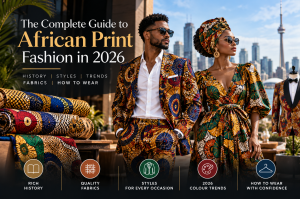
10. Mixed with Bold Print for a Statement Look
For events that call for a bit more personality, pairing a solid dress shirt with a bold printed jacket, or choosing a shirt in a striking printed fabric itself, creates a genuinely memorable outfit.
- A solid, neutral dress shirt pairs well under a bold printed blazer, letting the jacket carry the statement while the shirt stays understated underneath.
- Alternatively, a shirt made entirely from a bold printed fabric works as a standalone statement piece, worn open over a plain t-shirt or tucked under a solid-coloured jacket.
- Keep the rest of the outfit simple, with neutral trousers and minimal accessories, so the pattern does not compete with itself.
- This approach works particularly well for celebrations, cultural events, or creative settings where a bit more visual energy fits the occasion.
Choosing the Right Shirt for Each Look
Not every shirt works equally well across all ten of these looks, and that is where custom tailoring makes a genuine difference. A shirt built for tucking in formally needs a different length and cut than one meant to be worn untucked, and a shirt meant to layer under a sweater needs a slimmer overall fit than one meant to be worn open as a standalone piece.
Building a small rotation of shirts, each cut slightly differently for its intended use, gets far more mileage out of your wardrobe than owning several shirts all cut the same way. You can build your own shirt and choose the fit, fabric, and collar style suited to how you actually plan to wear it through our shirt builder, or explore paired options through the combo shirt builder if you are putting together more than one piece at once.
Getting the Fit Right First
Every look on this list depends on the shirt actually fitting well in the first place. A shirt that is too loose through the body will not hold a clean silhouette whether tucked or untucked, and sleeves that run too long undercut even a well-chosen outfit. If you are not sure how to measure yourself accurately before ordering, our guide on how to measure yourself for a custom shirt walks through the process step by step.
Frequently Asked Questions
Can one shirt really work for all ten of these looks?
A well-made, versatile shirt in a neutral colour like white or light blue can work across most of these looks with the right styling adjustments. That said, certain looks, such as the lightweight summer option or the bold printed statement piece, genuinely benefit from a shirt chosen specifically for that purpose.
What is the easiest way to dress a shirt down for the weekend?
Untuck it, roll the sleeves, leave the top button or two open, and pair it with jeans or casual chinos and sneakers rather than dress shoes. The fabric and fit matter here too, since a shirt cut specifically for tucking in rarely looks right worn loose.
Is it ever appropriate to wear a dress shirt without an undershirt?
Yes, particularly for evening or warm-weather looks where a cleaner line under the shirt matters more than the practical benefits of an undershirt. A well-fitted, good-quality shirt fabric generally looks better without one in these settings.
How many shirts do I actually need to cover looks like these?
A rotation of four to six shirts, varying slightly in fit, fabric weight, and colour, covers most of the looks on this list without needing a separate shirt for every single occasion.
Does the collar style matter for how a shirt can be styled?
Yes. A spread collar generally looks more formal and pairs well with a tie, while a button-down collar reads more casual and works particularly well for looks worn open or layered without a tie.
Reflexiones finales
Learning how to style dress shirt pieces across different settings turns one well-made garment into an entire wardrobe’s worth of outfits, from a formal boardroom meeting to a relaxed weekend brunch. The real difference between a shirt that only works one way and one that works across all ten of these looks almost always comes down to fit, fabric choice, and a few small styling adjustments rather than owning an entirely new shirt for every occasion.
Ready to build a shirt that actually works across every one of these looks? Explore Kavoo’s custom clothing collections to get started.